


How Artificial Intelligence Is Transforming Modern Business Systems
Artificial Intelligence is no longer a futuristic concept limited to experimental technologies or large-scale enterprises; it has become a practical and increasingly essential component of modern digital systems. Businesses across various domains are integrating AI-driven capabilities into their operations to improve efficiency, automate processes, and enhance decision-making. However, the true value of AI lies not simply in its ability to perform tasks, but in its capacity to analyze patterns, adapt to changing conditions, and continuously improve outcomes over time. Despite its growing accessibility, many organizations still struggle to understand how AI can be effectively integrated into their existing systems in a meaningful and sustainable way.
DotWebSolutions approaches AI integration as a structured enhancement of digital infrastructure rather than a standalone feature. Instead of introducing isolated AI tools, the focus is placed on embedding intelligence into core systems, allowing businesses to benefit from automation and data-driven insights without disrupting their operational flow. This ensures that AI becomes a natural extension of existing processes, contributing to both efficiency and scalability while maintaining system stability and clarity.
Beyond Automation: Understanding True AI Value
While automation is often the first concept associated with AI, its capabilities extend far beyond repetitive task execution. Traditional automation follows predefined rules and instructions, whereas AI systems are capable of learning from data, identifying patterns, and making informed decisions based on evolving inputs. This distinction is crucial, as it allows businesses to move from static processes to dynamic systems that can adapt and improve over time without constant manual intervention.
By leveraging machine learning models and intelligent algorithms, AI can process large volumes of data in ways that are not feasible through manual analysis. This enables businesses to uncover insights that may otherwise remain hidden, optimize workflows based on real-world usage patterns, and respond more effectively to changing conditions. As a result, AI-driven systems become progressively more efficient, creating a cycle of continuous improvement rather than fixed performance limitations.
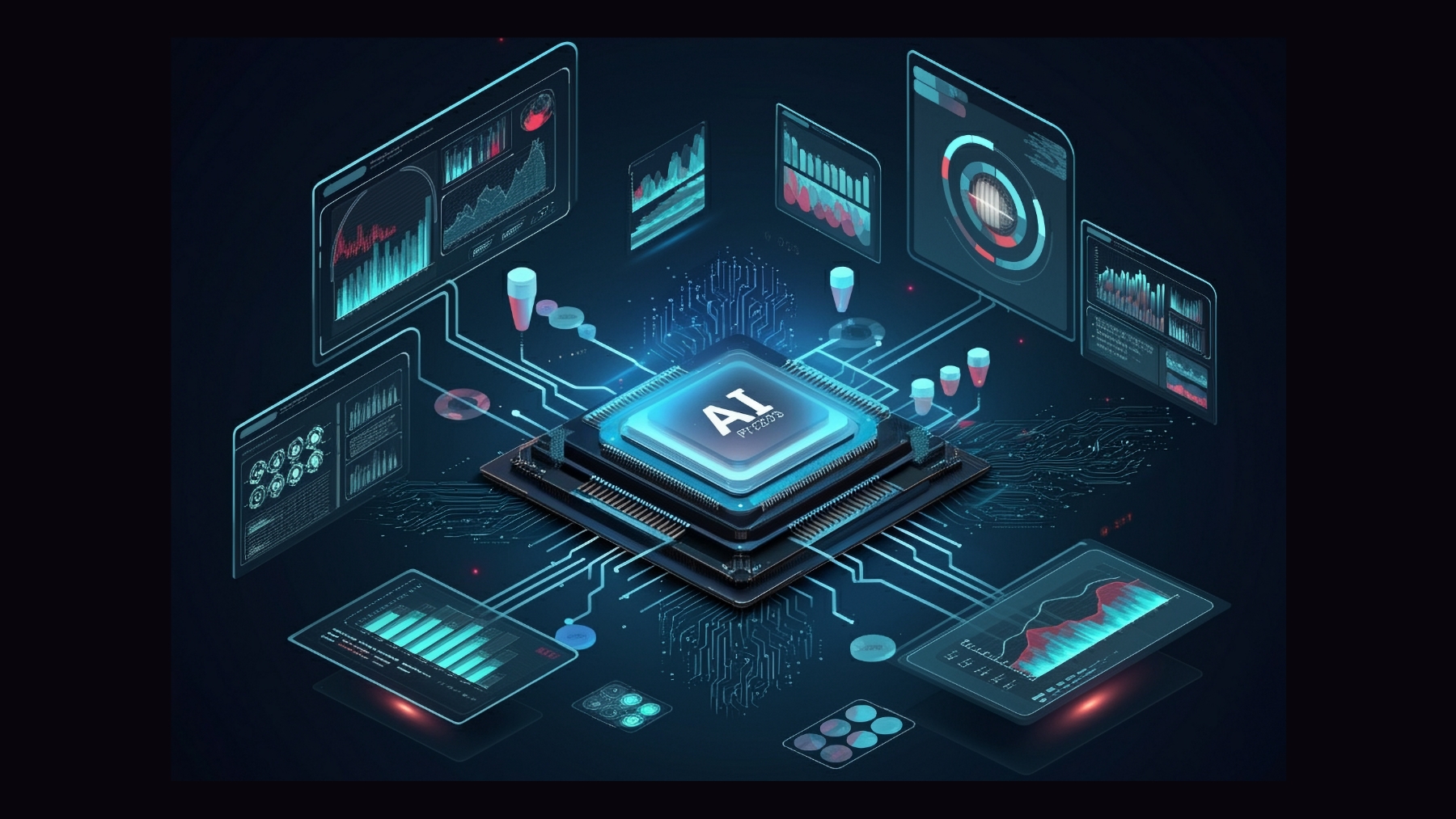
Artificial Intelligence is not about replacing human effort—it is about enhancing it with precision, speed, and adaptive intelligence.
Data as the Foundation of Intelligent Systems
At the core of every AI-driven system lies data, which serves as the foundation for analysis, learning, and decision- making. The quality, structure, and consistency of this data directly influence the effectiveness of AI models, making data management a critical aspect of implementation. Without properly organized and reliable data, even the most advanced algorithms may produce inaccurate or inconsistent results.
Effective data utilization involves not only collecting information but also ensuring that it is processed, structured, and maintained in a way that supports meaningful analysis. This includes filtering irrelevant inputs, maintaining data accuracy, and establishing systems that allow continuous updates. By creating a strong data foundation, businesses can ensure that AI systems operate with clarity and deliver insights that are both actionable and reliable.
Enhancing Decision-Making Processes
One of the most significant advantages of AI integration is its ability to support and enhance decision-making. In traditional systems, decisions are often based on limited data and human interpretation, which can introduce bias or inconsistency. AI systems, on the other hand, can analyze vast datasets, identify trends, and generate insights that provide a more comprehensive understanding of complex situations.
This does not eliminate the role of human judgment but rather strengthens it by providing a more informed foundation. By combining human expertise with data-driven insights, businesses can make more accurate and timely decisions, reducing uncertainty and improving overall operational effectiveness. This collaborative approach ensures that AI acts as a supportive tool rather than a replacement for strategic thinking.
Scalability and Continuous Learning
AI systems are inherently scalable, allowing them to adapt to increasing levels of data and complexity without significant structural changes. As businesses grow and generate more information, AI models can expand their capabilities accordingly, maintaining performance and relevance over time. This scalability ensures that the value of AI continues to increase as operations evolve.
In addition to scalability, AI systems benefit from continuous learning, where models are updated based on new data and changing conditions. This ability to evolve ensures that systems remain effective even as environments shift, preventing obsolescence and reducing the need for frequent redesign. By maintaining adaptability, AI becomes a long- term asset rather than a temporary enhancement.
Balancing Innovation with Practical Implementation
While the potential of AI is significant, its implementation must be approached with careful planning and realistic expectations. Introducing AI without a clear strategy can lead to unnecessary complexity, inefficiencies, and misalignment with business objectives. It is essential to identify areas where AI can provide meaningful value rather than applying it indiscriminately.
A balanced approach focuses on integrating AI where it enhances existing processes, improves efficiency, or provides insights that were previously unavailable. By aligning AI initiatives with practical goals, businesses can ensure that their investments deliver measurable benefits without introducing unnecessary risk or complexity.
Conclusion
Artificial Intelligence is reshaping the way businesses operate by introducing systems that are capable of learning, adapting, and improving over time. Its impact extends beyond automation, influencing decision-making, data management, and overall system efficiency. Organizations that effectively integrate AI into their digital infrastructure gain the ability to operate with greater precision, responsiveness, and scalability.
DotWebSolutions emphasizes a structured and thoughtful approach to AI integration, ensuring that intelligence is embedded into systems in a way that enhances both functionality and long-term sustainability. By focusing on data, scalability, and practical implementation, businesses can harness the full potential of AI while maintaining clarity, stability, and control over their digital operations.
Leave a Reply